Children’s Toy Safety: What Parents Should Check
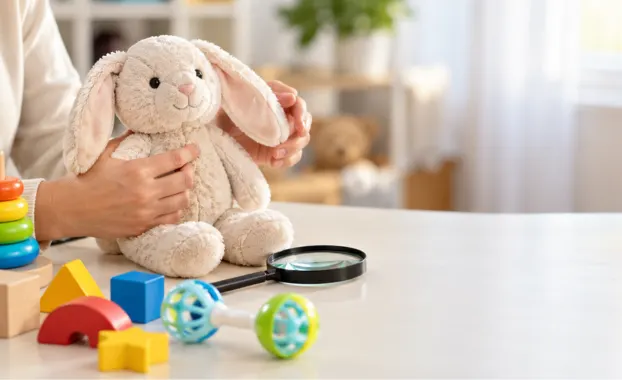
A plush bunny looks harmless on a shelf. Then a toddler tugs at a loose eye, chews a painted ear, or drags it near a candle. Children’s toy safety depends on hazards the packaging photo never shows, and that is why standards exist. Here is what those standards actually test, so you can shop with sharper eyes.
Table of Contents:Why Do Children's Toy Safety Start With the Standard?
Toys sold in the UAE are expected to meet GSO EN 71, the Gulf Standards Organization’s version of the EN 71 safety series. Three parts cover most products. Part 1 deals with mechanical and physical properties. Part 2 deals with flammability. Part 3 looks at the migration of certain elements. Regulated toys also need G-Mark conformity before they can be sold.
These toy safety requirements sound technical, but each part answers a plain parent question. Can it break into something sharp? Can it burn quickly? Can it release something harmful when a child mouths it? In short, toy safety means a toy has been checked for physical, fire, and chemical hazards against a recognized standard.
The Physical Hazards: Small Parts, Edges, and Cords
Part 1 covers the physical hazards a child meets during play, including the rough handling real kids deliver.
Small Parts and Choking
A small parts cylinder is used to test pieces that could choke an infant. For toys aimed at the under-three group, this is usually the first check requested. Small balls and suction cups get their own tests too.
Sharp Edges, Cords, and Durability
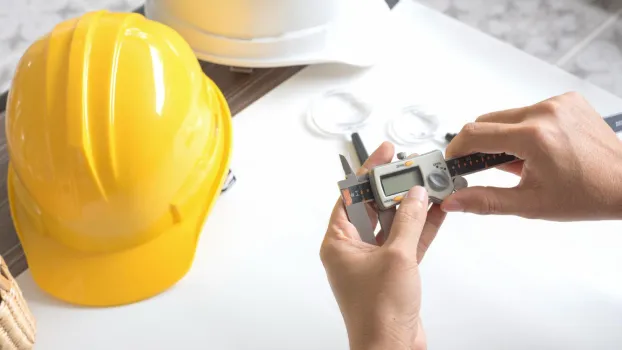
The standard also measures edge sharpness and point sharpness, and it looks at cords, elastics, and how well a toy holds together. Samples go through drop, torque, tension, tip-over and impact tests. You cannot copy a lab at home. You can still tug seams, twist moving parts, and run a finger along edges before a toy reaches a small child.


Flammability: Why Soft Toys and Costumes Get Extra Attention
Part 2 measures how quickly a toy ignites and how flame spreads across it. Soft toys, costumes, hair accessories, and anything with pile fabric or loose, flowing material are examined most closely, and each sample is tested against the burn-rate limits in the standard. Dress-up sets and plush toys deserve a second look for that reason.
Chemical Checks: What Can Come Out of a Toy
Part 3 measures how much lead, cadmium, chromium, arsenic, barium, and other elements can migrate out of materials a child might mouth. The lab scope runs to sixteen elements, including aluminum, antimony, cobalt, nickel, and zinc. Paints, coatings, plastics, and modeling compounds are taken through simulated saliva and gastric conditions, then the released amounts are compared with the limits.
Each color or material is tested separately, so a toy with many colors involves more checks than a plain one. Toys can also be screened for microbiological contamination, including E. coli and Salmonella, using USP 61 and USP 62 methods.
Toy Safety Tips to Use Before You Buy
Children’s toy safety checks work best as a short routine. Safe toys for children are usually the ones matched to the checks that apply to them.
- Start with the toy type. Plush and costumes raise flammability questions, painted and plastic toys raise chemical ones, and anything for under-threes raises small-part questions.
- In the shop, tug seams, twist joints, and press along edges.
- G-Mark matters for regulated toys sold in the UAE.
- A test report is fair to request. A proper one names the standard clauses checked and gives a pass or fail on each.
One limit worth stating. This article is general information. No checklist can promise a toy carries zero risk, and it does not replace official guidance or medical advice. If a child swallows a part or becomes unwell after mouthing a toy, contact a doctor or emergency services right away.
Final Thoughts
Toy standards turn vague worry into specific questions about small parts, fire, and chemicals. Labs such as Testhub Laboratories in Jebel Ali, Dubai, carry out these GSO EN 71 checks under ISO/IEC 17025 accreditation.
FAQ
Start with the toy type and the age group. Small parts matter most for under-threes. Then look for G-Mark on regulated toys and ask the seller for a test report that names the standard.
It is a European toy safety series, and GSO EN 71 is the Gulf version used here. Part 1 covers physical hazards, Part 2 covers flammability, and Part 3 covers chemical migration.
Fire behavior. The standard measures how quickly a toy ignites and how the flame spreads, and pile fabric or loose flowing material gets the closest look.
Part 3 measures elements that can migrate out of materials, such as lead, cadmium, chromium, arsenic, and barium, using simulated saliva and gastric conditions.