Rusty Building Water in Dubai: Commercial Water Purification Explained
Turn on any tap in a Dubai building, and you expect clean, odorless water. What you sometimes get is something that looks slightly orange, smells faintly metallic, or just feels off in a way you cannot quite name. For building managers and facilities teams, this is where commercial water purification stops being a back-burner topic and becomes an urgent conversation.
People tend to blame DEWA. Most of the time, DEWA is not the problem.
The issue is almost always what happens to the water after it leaves the main supply and before it reaches your glass. Understanding that journey is the first step toward fixing it.
Table of Contents:
Why Does Building Water Go Bad Before It Reaches You?
Dubai’s water is treated and remineralized before distribution and meets regulatory drinking water standards. The problem starts inside the building.
Most residential and commercial buildings in Dubai, particularly those built before 2010, have internal pipework made from galvanized steel or older iron alloys. These materials corrode over time. Dubai’s heat accelerates that process considerably. As the inner surface of the pipe breaks down, iron particles enter the water flow. That is where the reddish or brownish tint comes from.
Storage tanks are another common culprit. Many buildings route supply water into rooftop or basement tanks before distributing it to individual units. When those tanks are not cleaned regularly, sediment builds up at the base. Biological growth, including bacteria, algae, and biofilm, can take hold in standing warm water. That is usually what produces the musty or sulfur smell that some residents notice.
There is also the legionella factor. Legionella bacteria grow well in warm, stagnant water systems, particularly centralized hot water tanks and cooling towers. Exposure to legionella can cause a serious form of pneumonia called Legionnaires’ disease. This is not a theoretical risk in buildings with aging or poorly maintained water infrastructure.
None of this is visible until things deteriorate enough to show up as color, smell, or taste. By that point, contamination has often been present for a while.
What Commercial Water Purification Actually Does
Commercial water purification is not a single product. It is a staged process, and each stage targets a different type of contaminant.
Sediment pre-filtration comes first. It catches rust particles, sand, and suspended solids before they move further into the system.
Activated carbon filtration handles the chemical side of things. Chlorine, chloramines, and the organic compounds responsible for taste and odor problems are absorbed through this stage.
UV disinfection uses ultraviolet light to neutralize bacteria, viruses, and other biological threats without introducing anything into the water. It does not remove dissolved solids, but it handles microbiological risk effectively.
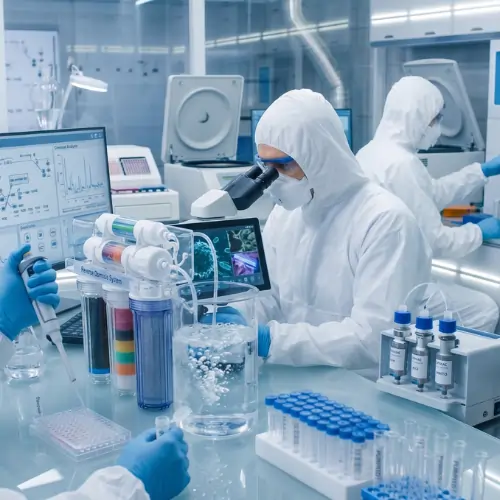
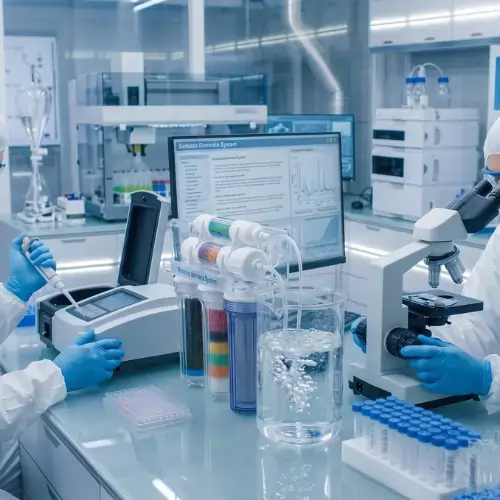
Reverse osmosis is the most intensive option. Water is pushed through a semi-permeable membrane that strips out dissolved heavy metals, excess minerals, nitrates, and other compounds. Large-scale water purification systems in hotels, hospitals, and office towers often rely on reverse osmosis as a core component.
The stage that most people skip is the one that should come first: testing.
Running reverse osmosis on water that only has a bacterial problem is expensive and unnecessary. Installing only a carbon filter in water with elevated iron or lead levels solves nothing. Without actual data on what is in the water, purification is guesswork.
How Water Testing Works for Dubai Buildings?
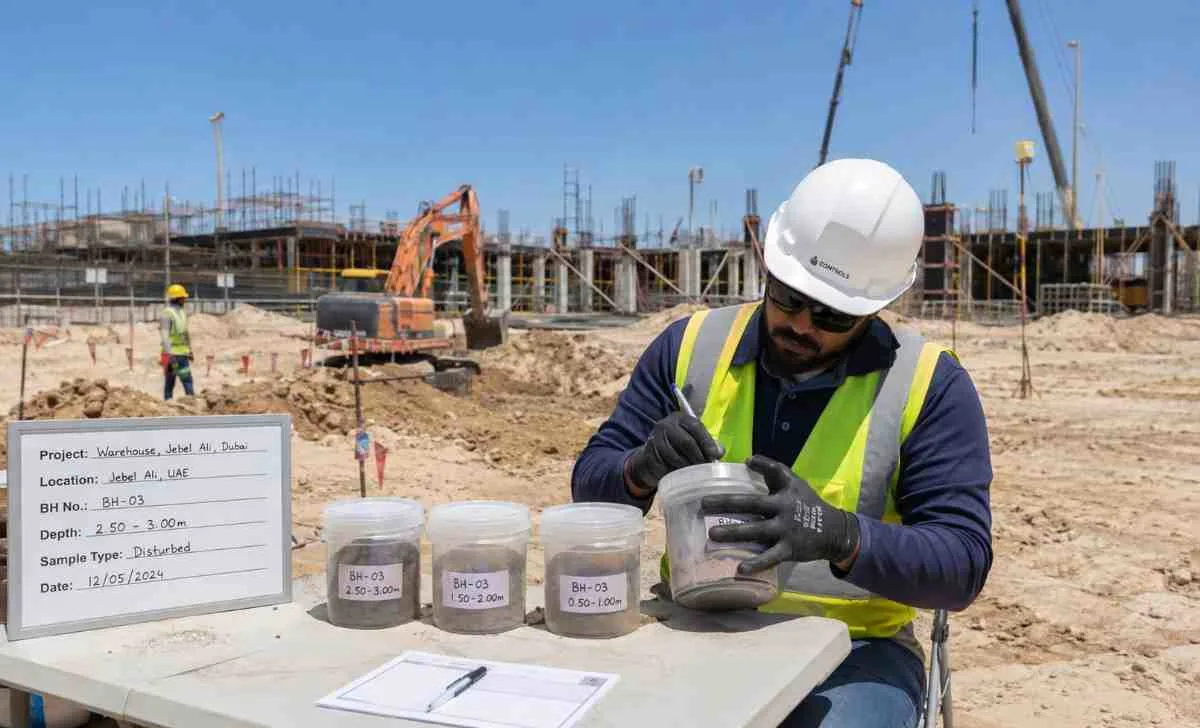
Proper water quality testing is not complicated, but it does require correct sample collection and an accredited laboratory to get meaningful results. Samples collected incorrectly, or stored too long before analysis, can give misleading readings.
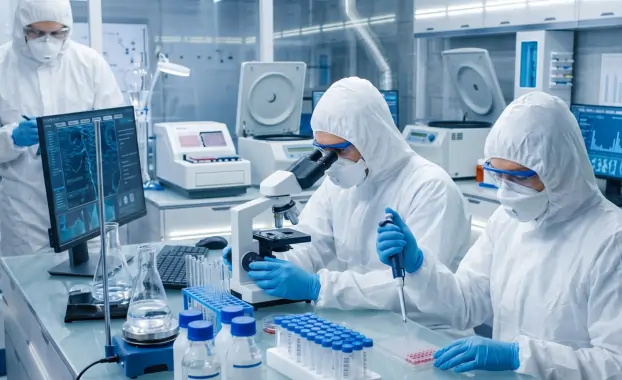
At Testhub Laboratories in Dubai, building water testing covers four main areas:
Microbiological testing checks for total bacteria count, yeast, and mold presence. Results take six to seven days and give a clear picture of biological load in the water.
Legionella analysis identifies specific legionella types from a water sample. This takes around twelve days and is particularly relevant for buildings with centralized hot water or cooling systems.
Chemical testing covers pH, total dissolved solids, conductivity, chlorine levels, and salt content. Results come back in four to five days.
Complete water testing combines all three panels. This is the right approach when the contamination source is unknown or when regulatory compliance documentation is needed. Results for the full package come back in twelve to thirteen days.
Testhub Laboratories holds accreditation from the Emirates International Accreditation Centre (EIAC). That matters because results from an EIAC-accredited laboratory carry weight for building management decisions, regulatory submissions, and insurance purposes.
Testing is recommended at a minimum every six months and any time maintenance is done on tanks or internal pipework.
What a Water Test Report Tells You
A full report covers microbiological findings, chemical composition data, and physical characteristics like clarity and sediment level. It is not a simple pass or fail document. Each parameter comes with a specific reading that you can compare against UAE regulatory thresholds.
If bacterial counts are elevated, the next steps point toward tank cleaning and disinfection. If iron or heavy metal readings are high, the problem is pipe corrosion, and the purification approach needs to address that specifically. If pH readings are off, certain purification membranes will not function efficiently and need adjustment.
This is the practical value of testing before spending money on any purification setup. It turns a decision that would otherwise be based on guesswork into one based on actual data.
Final Thoughts
Rusty or odd-smelling water in a Dubai building is not a minor nuisance. It is a warning sign from a system that has been under maintenance for too long, and, in some cases, a genuine health risk for building occupants.
Water testing and purification done properly means understanding what is actually in the water first, then building a purification approach around those specific findings. Skipping the testing step is how buildings end up with expensive filtration equipment that does not solve the actual problem.
When did your building last have its water tested by a certified laboratory? If you do not know the answer, that is probably a good place to start.
FAQ
That color almost always comes from iron corrosion inside the building’s own pipes. Dubai’s desalinated water supply is treated properly at the source. But in older buildings with galvanized steel or iron pipework, the interior of those pipes breaks down over time, especially in this heat, and rust particles get into the water flow. It is a building infrastructure issue, not a supply problem.
It depends on what is actually in it. A small amount of iron is more of a cosmetic and taste issue. The bigger concern is that discolored water often signals a broader problem, bacterial contamination, heavy metals, or elevated total dissolved solids. You need a lab result to know what you are actually dealing with. Visual inspection is not enough.
Every six months is the standard. You should also test after any tank cleaning, pipe repairs, or whenever residents or staff report a change in taste, smell, or appearance. Buildings with centralized hot water systems or cooling towers should test for legionella specifically, as those systems carry a higher risk.
A household filter handles one point of use, a tap or a countertop unit. Commercial water purification treats the entire building supply at scale using multiple layered systems: sediment filtration, carbon filtration, UV disinfection, and sometimes reverse osmosis. The flow rates, contamination loads, and compliance requirements are all in a completely different category.
Reach out to an EIAC-accredited testing laboratory like Testhub Laboratories. They handle proper sample collection, run the relevant tests in their certified facility, and deliver a full written report. A complete panel covering microbiological, legionella, and chemical parameters takes twelve to thirteen days. That report gives you the data to make informed decisions about purification or remediation.