Why a HACCP Testing Lab Is Essential for Food Safety in Dubai
HACCP testing is not a paperwork exercise. It is the difference between a restaurant kitchen that catches a Salmonella problem before it reaches a plate and one that finds out after a customer gets sick. Dubai’s food industry runs on imports, long supply chains, and a climate that gives bacteria every reason to multiply fast. That combination is exactly why a HACCP testing lab matters more here than in most other markets.
Hazard Analysis and Critical Control Point systems ask a business to identify where contamination could occur, then set limits and checks at those exact points. The system only works if the checks are backed by real laboratory data. A HACCP plan without microbiological verification is a document. With verification, it becomes a working control system.
Table of Contents:
What Does a Food Microbiology Lab Actually Check?
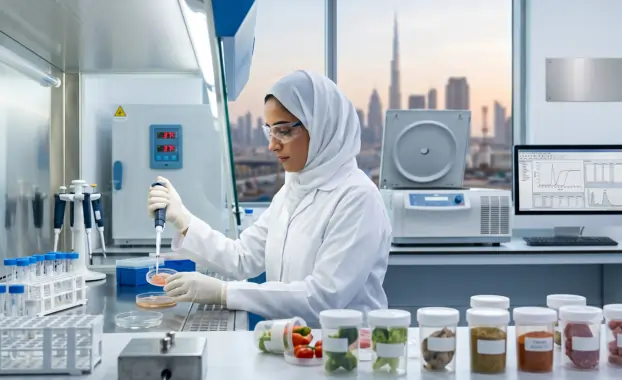
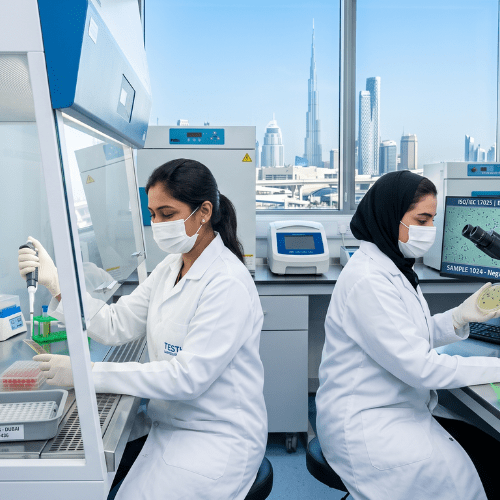
A proper food testing lab in Dubai screens for the organisms that cause most foodborne illness outbreaks: Salmonella, E. coli, Listeria, Staphylococcus aureus, and Bacillus cereus, along with total coliform counts and yeast and mold levels. Testhub Laboratories, an EIAC-accredited facility operating under ISO/IEC 17025 in Jebel Ali, runs this exact panel using ISO, AOAC, and USFDA test methods. That accreditation matters because it means results can stand up to scrutiny from regulators, buyers, and auditors, not just sit in a file.
Chemical analysis runs alongside microbiology. Heavy metals, preservative levels, and other undesirable substances get flagged before a product reaches shelves. For manufacturers working across UAE, GCC, and export markets, this dual coverage, microbiological plus chemical, closes gaps that a single-focus lab would miss.
Nutritional Labelling and Shelf Life: The Overlooked Half of Food Safety
Food safety conversations tend to fixate on pathogens, but mislabeling carries its own regulatory and health risk. Nutritional labelling analysis covering fat, protein, carbohydrate, moisture, fibre, ash, sodium, and energy values needs to match what actually goes on the packaging. Get it wrong and a business faces recalls, fines, or worse: a consumer with an allergy or a medical condition trusting a label that lies.
Shelf life analysis ties directly into this. A product’s stated expiry date has to reflect when it actually stops being safe or stable, not a number picked because it sounds reasonable. Testing under controlled conditions gives that number a scientific basis instead of a guess.
Where HACCP Testing Fits Into Daily Operations
A restaurant, catering operation, or food manufacturer running a HACCP plan needs periodic verification that the critical control points are actually controlling anything. That means routine swabs, raw material testing, and finished product checks sent to an accredited lab on a schedule, not just when something goes wrong. Environmental monitoring, checking surfaces, air, and equipment for microbial contamination, rounds out the picture for facilities where cross-contamination risk runs high.
Dubai Municipality and other regional food authorities expect this kind of documented, lab-backed verification as part of food safety compliance. Businesses that treat lab testing as routine infrastructure, rather than a reactive step after a complaint, tend to pass audits with far less friction.
Halal and Product Authenticity Testing
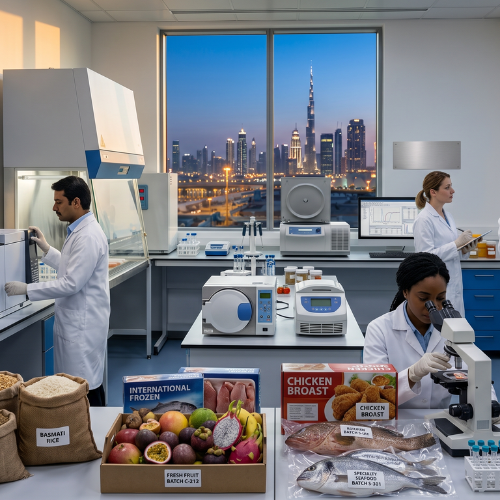
For a market where Halal compliance carries both regulatory weight and consumer trust, meat identification and porcine content screening add another layer most general labs skip. RT-PCR-based testing can confirm species origin and detect GMO content, which matters for importers bringing in processed foods, meat products, or ingredients from multiple countries where labelling standards vary.
Food Contact Material Safety
Packaging is part of the food safety chain, not separate from it. Plastics, ceramics, paper, board, rubber, silicone, glass, and metal packaging can all leach contaminants into food under certain conditions. Migration testing on food contact materials checks whether packaging itself is a hidden risk factor, something HACCP plans often underemphasize because the hazard sits in the container rather than the food.
Choosing a Lab That Understands Local Requirements
Accreditation is where the real differences show up between testing facilities. A lab can run the same panel of tests as its competitor, but if it lacks ISO/IEC 17025 certification, the results carry less weight the moment a regulator or an overseas buyer starts asking questions. EIAC accreditation adds another layer of credibility on top of that, since it confirms the lab’s methods have been reviewed against internationally recognized benchmarks rather than an internal standard nobody outside the building has verified.
This becomes especially relevant for businesses selling into both the UAE market and export destinations at the same time. A food manufacturer shipping to Europe, for instance, needs lab documentation that satisfies EU import requirements, not just local Dubai Municipality expectations. Testhub’s facility in Jebel Ali was set up around this exact need. Microbiological screening, chemical analysis, nutritional labelling verification, and shelf life testing all run under one roof, which removes the coordination headache of sending samples to three or four different vendors and reconciling their reports afterward.
Final Thoughts
None of this works without data. A HACCP testing plan can list every critical control point correctly and still fail in practice if nobody is verifying those points with actual lab results. That gap, between what’s written down and what’s actually happening in the kitchen or the production line, is where most food safety failures start.
Businesses that build testing into their weekly or monthly routine catch problems while they’re still small. A slightly elevated coliform count on a swab test is manageable. A recall after a customer falls ill is not. If your HACCP process right now leans more on assumption than on accredited lab confirmation, that’s worth a closer look before it becomes a bigger problem than a testing schedule would have caught.
FAQ
Yes. Following the guidelines on paper does not confirm anything is working. Lab verification is what tells you whether your critical control points are actually catching contamination, not just documented on a chart somewhere.
Microbiological testing for Salmonella, E. coli, and Staph aureus should sit at the top of the list, alongside surface and equipment swabs. Add nutritional labelling checks if you’re packaging anything for retail sale.
Routine schedules work better than reactive testing. Monthly or quarterly checks depending on your product risk category catch drift before it becomes a compliance issue, and most accredited labs will help set a schedule based on your operation.
It can, more than most people expect. Migration testing exists precisely because plastics, coatings, and even paper packaging can transfer chemicals into food under heat or over time, which is why food contact material testing gets included in a full safety review.
Accreditation. ISO/IEC 17025 certification and recognized bodies like EIAC mean the lab’s methods have been independently verified, so the numbers on your report hold up if a regulator or an export partner questions them.