
Allergen Food Test: How Food Allergen Testing Helps Prevent Recalls
A single unlisted trace of peanut protein on a sauce label can pull an entire product batch off Dubai supermarket shelves within a day. That is the practical weight behind an allergen food test. It is not a formality for a certificate file. It is the checkpoint that decides whether a product reaches consumers safely or gets pulled after it has already shipped. For manufacturers, restaurants, and packaged food brands across the UAE, allergen verification has become as routine as microbial screening, and the reasons why are worth walking through.
Table of Contents:What Does an Allergen Food Test Actually Check For?
Food allergen testing screens finished products and raw ingredients for the proteins behind the common triggers: peanuts, tree nuts, milk, eggs, soy, wheat, fish, and shellfish. Laboratories in Dubai run this analysis within its wider food testing scope, which also covers microbiological, chemical, physical, and nutritional checks. What the manufacturer is really buying is proof. Proof that the printed label matches what sits inside the package, down to trace amounts that nobody put there on purpose. Residue from shared equipment shows up this way. So does a supplier ingredient that quietly shifted three months ago while the formulation sheet stayed as it was.
Detection methods typically rely on ELISA-based assays or PCR techniques to identify allergen proteins or DNA markers at concentrations far below what taste or smell could ever reveal. That sensitivity matters because cross-contact, not intentional inclusion, causes most undeclared allergen problems. A bakery running a nut-based product on the same line as a nut-free one, for example, can leave residue at levels invisible to the eye but detectable in a properly run assay.
Why Undeclared Allergens Trigger Recalls
Recalls rarely start with a dramatic failure. More often, a supplier swaps an ingredient, a production line runs two different products back to back without a full clean-down, or a label template gets reused for a recipe that was quietly reformulated. Regulatory bodies, including the FDA in the United States, consistently rank undeclared allergens among the leading causes of food recalls.
Codex Alimentarius, the joint FAO and WHO food standards body, has also revised its labelling guidance to tighten how allergens must be declared on packaging. For businesses operating across the Gulf, where products often move between several countries with separate labeling authorities, that kind of regulatory alignment carries real weight. A label accepted in one market can still fail an audit in another if allergen declaration formats differ.

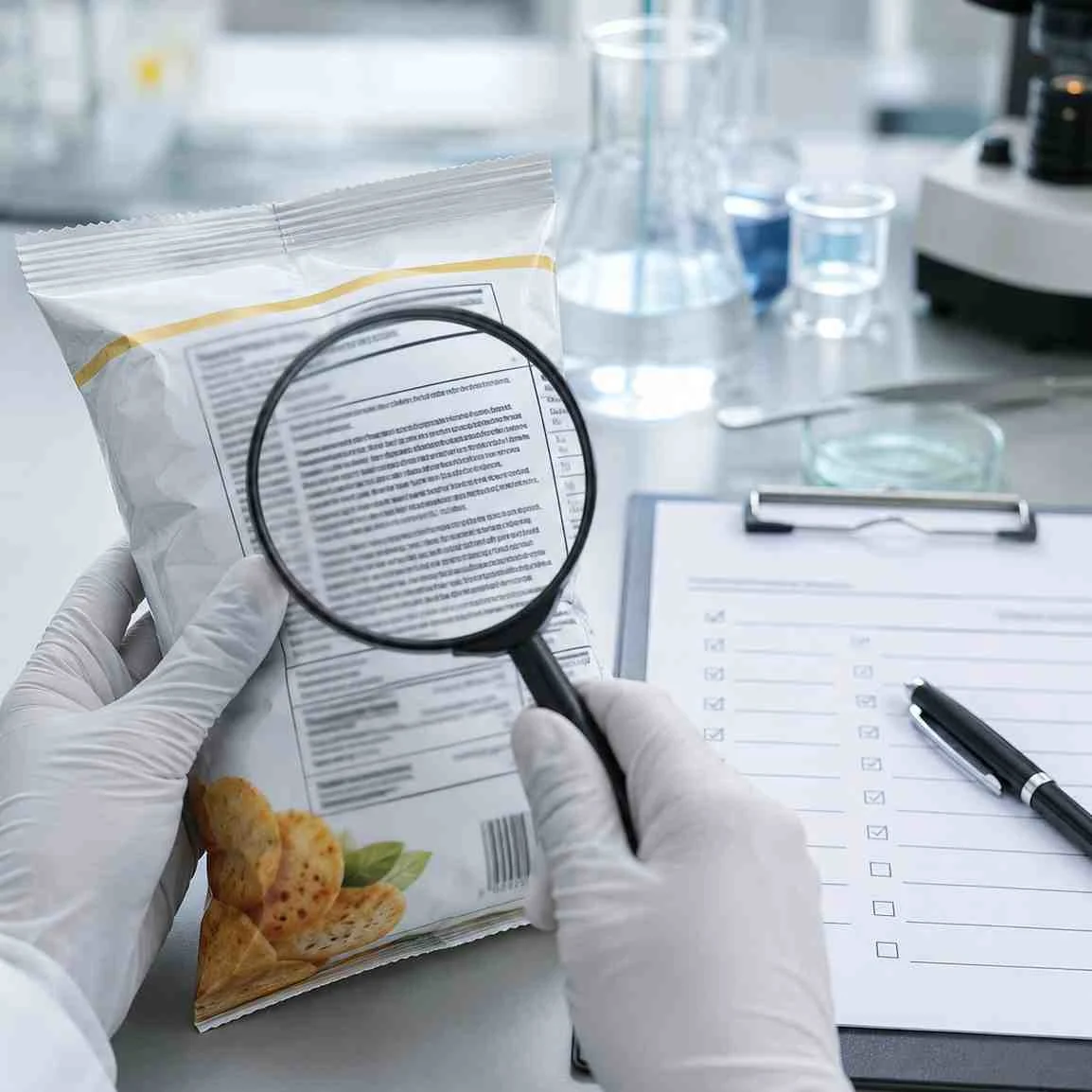
Inside an Accredited Allergen Lab UAE
An allergen lab UAE needs more than general food safety credentials to produce results that regulators and retailers will accept without question. Testhub Laboratories operates as an EIAC-accredited facility under ISO/IEC 17025, based in the Jebel Ali Industrial Area of Dubai. Its microbiology and chemistry sections apply the same accredited methodology used for water, soil, and building material testing to allergen detection work, which means results carry the documentation weight needed for regulatory submissions and retailer audits alike.
The lab also runs RT-PCR analysis for meat identification, porcine content, and GMO screening. This matters for allergen risk in a specific way. Sometimes the concern is not the ingredient list but what species or crop actually went into a formulation, particularly in processed meat products, sauces, or private-label goods where the supply chain has several tiers. A private-label snack brand sourcing from three different co-packers, for instance, may need each batch verified separately rather than relying on one formulation record for the whole product line.
Plastic resins used in food contact applications, whether for water bottles, takeaway containers, or cling film, are formulated with plasticizers and stabilizers that food-grade paper or glass simply do not contain. Trace metals and bisphenol screening are part of Testhub’s chemical testing scope for exactly this reason. A packaging supplier bringing plastic trays into the UAE market needs data showing these substances stay under their thresholds, not an assumption that the resin is safe because it looks and feels like standard food packaging.
From Lab Analysis to Label Compliance
Allergen analysis on its own does not fix a labeling gap. It identifies where the gap sits, whether that is an unlisted ingredient, a cross-contact risk from shared machinery, or a supplier specification that changed before the label team ever heard about it. Testhub’s food testing services extend into label compliance work, checking that what appears on packaging reflects the product’s actual nutritional and allergen content rather than an assumption carried over from an earlier batch.
For businesses supplying hotels, retail chains, or export markets, this step often decides whether a shipment clears inspection or gets held at the point of sale. Dubai Municipality and other UAE regulatory bodies inspect labeling as part of routine compliance checks, and a mismatch between test data and printed claims is one of the faster ways to trigger a hold.
Final Thoughts
An allergen food test works best as a routine part of production, not a reaction after a complaint or a retailer audit flags a problem. Reformulations, new suppliers, and shared production lines all introduce risk that a label written months earlier may no longer reflect. Businesses that build allergen verification into their regular testing schedule tend to catch these gaps before a product ever reaches a shelf.
What does your current labeling and testing schedule look like, and where might it need a closer look?
FAQ
Testing uses ELISA or PCR-based methods to detect allergen proteins or DNA fragments in a food sample, even at trace levels. Lab technicians extract the sample, run it against known allergen markers, and report whether any major allergen appears above the detection threshold set for that assay.
Retailers, hotels, and export partners in the UAE increasingly ask for lab-verified allergen data before they will stock a new product. Skipping this step shifts the risk onto the shelf, where a mislabeled item can trigger a recall, a fine, or a lost distribution contract almost overnight.
Yes, that is actually one of its main uses. Shared production lines, mixing equipment, and even packaging machinery can transfer trace allergen residue between unrelated batches. A properly run test picks up that residue even when nothing in the recipe itself changed.
It cannot ship on that label. From there the manufacturer has a few routes. Adding the allergen to the ingredient declaration is the fastest one, though it changes how the product sells. Tracing the cross-contact back to its source and fixing the process is slower but usually the better answer, particularly if the allergen was never meant to be in there at all. Reformulation is the last resort. Whichever route gets taken, the batch goes back for retesting before anything moves.
There is no single fixed schedule, but most food safety consultants recommend retesting whenever a supplier, recipe, or production line changes. Seasonal products and private-label goods with multiple co-packers usually need more frequent checks than a stable, single-source item.