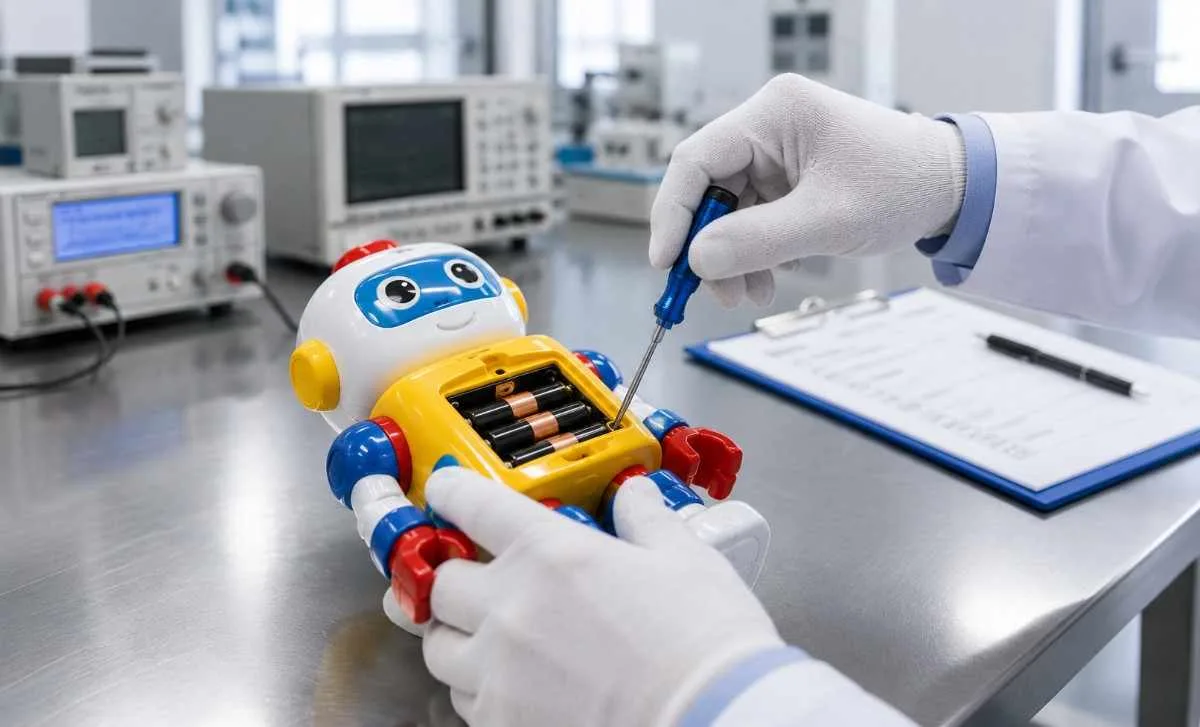
Food Simulants for Acidic, Fatty, and Aqueous Foods
A glazed ceramic bowl, a silicone spatula, and a plastic tub can all touch the same meal, and each one can pass traces of something into it. Food simulants are the test liquids a lab uses in place of real food to measure what moves out of a material. Acidic, fatty, and aqueous foods act very differently on packaging, so the stand-in liquid has to match the food. This guide explains how the three groups differ and why that shapes a test plan.
Table of Contents:What Are Migration Testing Measures?
Food packaging comes in plastics, ceramics, paper, board, rubber, silicone, glass, and metals. Any of them can carry contaminants that migrate into food, which is why these materials are tested before they reach shelves or kitchens.
A migration test measures how much of a substance moves from the packaging into the food. Two terms appear in almost every report. Overall migration compliance testing looks at the total amount transferring. Specific migration testing targets named substances such as primary aromatic amines, trace metals, bisphenol A, and phthalates. Labs may also screen for non-intentionally added substances, meaning compounds nobody planned to have in the material.
Chemical and physical work run side by side. Physical characterization looks at the material itself, while the chemical side tracks what leaves it.
Where Food Simulants Fit in the Process
Real food is hard to standardize. Soup changes from batch to batch, oil turns rancid, and pickle brine behaves nothing like a cheese wrapper’s contents. So the lab picks a simulant, a liquid chosen to behave like the category of food that will touch the material, then measures what the liquid collects from the packaging.
The category is the whole point. Food meets packaging in three broad ways: acidic, fatty, or watery. Each one pulls out a different set of substances.
Acidic Foods
Tomato sauce, pickles, citrus juice, and vinegar-based dressings sit here. Acid tends to attack metal surfaces and coatings, which is why trace metals get so much attention for cans, lids, and cookware. An acidic simulant lets a lab see whether a metal-contact surface releases anything under those conditions.
Fatty Foods
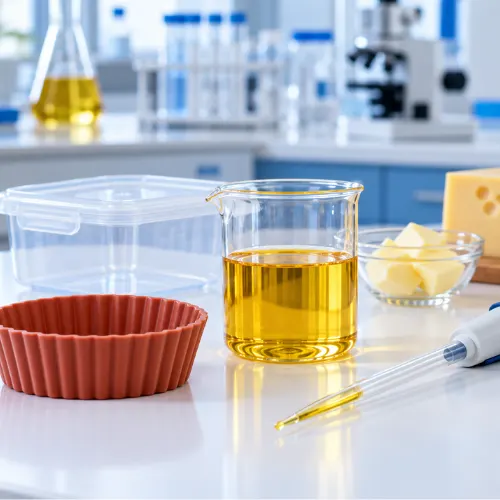
Cooking oil, butter, cheese, and fried snacks belong in this group. Fat dissolves substances that water barely touches. Phthalates, plasticizers used to soften some plastics, are the usual example. Silicone and rubber items such as baking molds and seals also deserve a close look here, since oils often sit against them for long stretches.
Aqueous Foods
Soups, brews, mild juices, brines, and plain water fall into this one. Water-based foods mostly draw out water-soluble substances. That makes them a useful reference point for drink bottles, paper cups, and cartons, where the main question is what dissolves into a watery liquid.

Matching the Liquid to the Food
The choice of food simulants should follow how the product is really used. A cup holding hot soup, a lid sealing pickles, and a wrapper around cheese call for three different setups. Packaging that meets more than one food type may need more than one simulant.
Test conditions matter as well. Packaging safety is checked under various conditions, not one fixed routine, and the specific tests depend on the material type and what the results need to show. A barrier test, a strength test, and a permeability test answer different questions from a migration test, so they are not interchangeable.
Practical Points Before You Test
Start with the real use. Write down which food touches the material, for how long, and at what temperature. Then read the label, because some plastics and metals are suitable for food contact and others are not.
From there, line up the migration tests with the material. Packaging can also be assessed for physical, chemical, microbiological, and sensory properties, so a single migration result rarely tells the full story.
One caution. This article is general education, not regulatory advice. Rules differ between markets, and the requirements in force for your product should drive the final plan, ideally with input from a qualified food safety professional.
Final Thoughts
Acidic foods put metals and coatings under pressure, fatty foods draw out oil-soluble additives, and aqueous foods pick up water-soluble ones. Matching the test liquid to the food is what makes a migration result meaningful. Readers who want to see how a UAE laboratory describes its food contact and migration testing scope can look at Testhub Laboratories. Which food will your packaging actually touch, and is your test plan built around it?
FAQ
Stand-in liquids. Instead of testing packaging with real soup or oil, a lab uses a liquid chosen to behave like that type of food, then measures what moves from the material into it.
They pull different things out of packaging. Acid tends to draw out metals, while fat dissolves oily compounds like phthalates. One liquid can’t represent both, so labs match the liquid to the food.
Plastics, ceramics, paper, board, rubber, silicone, glass, and metals can all carry contaminants that migrate into food. The exact tests depend on the material and on what the results are meant to show.
Overall migration checks the total amount moving from a material into food. Specific migration looks for named substances, like bisphenol A, phthalates, primary aromatic amines, or trace metals. Many testing programs cover both.