Getting Your Food Safety Certification in the UAE: 2026 Guide
Table of Contents:
Why Food Safety Certification Relies on Data?
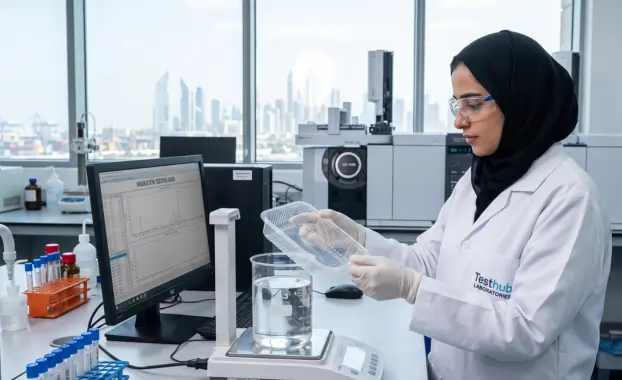
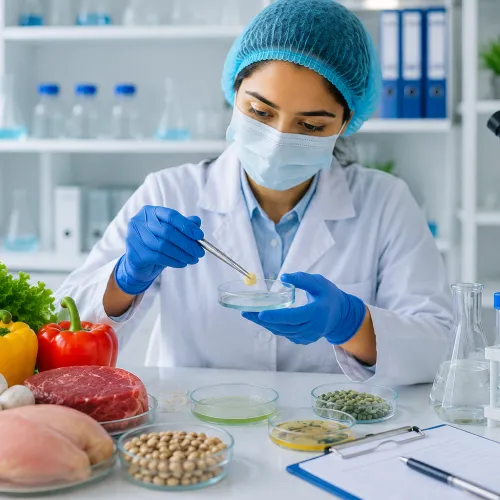
Your approval depends entirely on data. Regulators don’t care how clean your kitchen looks on the surface. They want hard proof that your ingredients and final products are safe. This means taking physical samples and sending them to a specialized facility for accurate food testing services.
Inspectors look for the hidden dangers you can’t see with the naked eye. Having clear, accredited lab results protects your brand reputation. It shows health authorities you take public safety seriously. Most importantly, it protects your bottom line from disastrous product recalls.
The Real Reason You Can't Ignore Certification in 2026
At the end of the day, it comes down to two things: staying out of court and keeping your customers alive. It sounds harsh, but that is the reality of the UAE’s “Healthy Living Strategy“ this year. The authorities aren’t just doing spot checks anymore; they are looking for a consistent, data-backed history of how you handle everything from raw poultry to dry storage.
If you’re operating without a current food safety certification, you’re essentially gambling with your trade licence. One bad batch of ingredients isn’t just a kitchen mistake in 2026; it’s a digital record that the Dubai Municipality or ADAFSA will use to determine if you’re fit to stay open.
The Core Testing Requirements
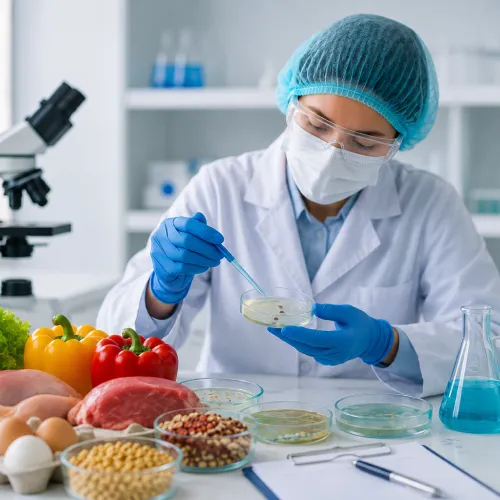
You have to cover several specific bases to pass an inspection. Testhub handles all of these critical areas under one roof so you don’t have to chase down multiple vendors:
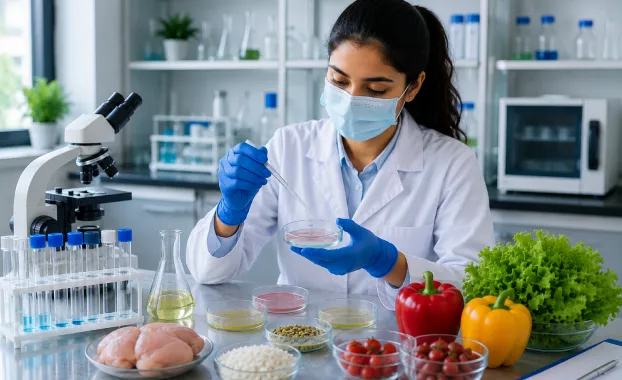
➜ Microbial Checks: This involves strict microbiological analysis. Lab technicians test your food for harmful pathogens like Salmonella, E. coli, and Listeria. You can’t guess if a batch is contaminated. Scientific validation is non-negotiable for passing health inspections.
➜ Chemical Analysis: Your food cannot contain heavy metals, pesticide residues, or illegal additives. Chemical testing verifies your products are clean from the inside out.
➜ Allergen Screening: Cross-contamination of allergens is a massive liability. Testing ensures trace amounts of peanuts, dairy, or gluten don’t end up in products labeled “allergen-free.”
➜ Nutritional Labeling: Selling packaged goods? You need highly accurate nutritional facts printed right on the label. Labs break down the exact protein, fat, carbohydrates, and calories. This ensures your packaging complies with consumer protection laws.
➜ Shelf-Life Testing: You need to know exactly how long your product stays fresh. This testing simulates different storage conditions to determine the accurate “use by” date. Guessing this date leads to spoiled food and sick customers.
➜ Sensory Evaluation: Safety keeps you open, but quality keeps you in business. Does the product taste right? Does it smell the way it should? Sensory testing ensures your food quality remains consistent batch after batch.
➜ Water Quality Testing: The water you use for cooking, cleaning, or as a direct ingredient must be 100% pure. Contaminated water ruins everything it touches. Regular water testing is a core requirement for any commercial kitchen.
Integrating HACCP Compliance
Achieving regulatory approval ties directly back to your daily operations. Adhering to strict HACCP compliance means you actively track hazards from the moment raw ingredients arrive at your loading dock to the moment the finished meal is served.
Testhub’s testing services fit perfectly into this operational system. They offer environmental monitoring, which involves swabbing your actual kitchen surfaces, cutting boards, and equipment. It proves that your daily sanitation practices actually kill bacteria. It’s the difference between hoping your kitchen is clean and having the paperwork to prove it.
Final Thoughts
Securing your paperwork doesn’t have to be a nightmare. Partnering with a reliable testing lab streamlines the entire operation. You get the exact data you need to pass audits, avoid heavy fines, and keep your customers coming back. Are you ready to get your products tested and fully certified?
FAQ
The smartest route is working with an accredited lab from day one. Don’t wait for a health inspector to find a glaring problem. Get your microbiological and chemical tests sorted early. Having that paperwork ready proves you are proactive.
Yes, absolutely. Size doesn’t matter when public health is on the line. Even if you’re just baking small batches of pastries, you still need to prove your ingredients are safe and your water supply is clean.
Don’t panic. A failed test is a good thing because it catches the problem before someone eats it and gets sick. You just need to figure out where the contamination happened, fix your kitchen process, and retest the product until it passes.
It depends entirely on what you make. High-risk items like raw meat, seafood, or dairy need constant monitoring. If you change a recipe, switch to a new supplier, or alter your packaging, you absolutely need to run new tests.
It’s testing your actual kitchen space. Technicians swab your countertops, sinks, and cutting boards to see what bacteria is living there. It proves your cleaning chemicals are actually doing their job.