5 Myths About Food Contact Material Testing Debunked
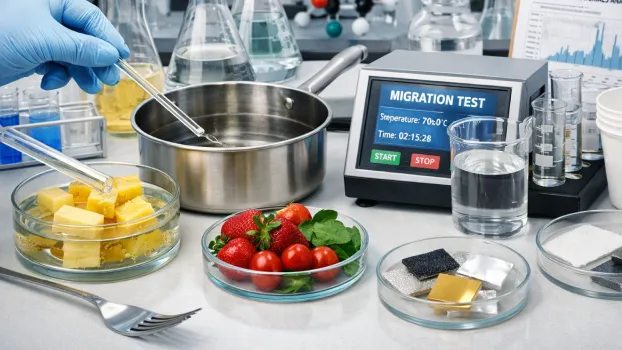
You think that plastic wrap or those paper coffee cups are just passive containers? Think again. Food packaging is chemically active. It’s constantly interacting with your lunch. If you’re a brand owner or a manufacturer, you already know the stakes are high. One defective batch or chemical migration issue can severely damage your reputation. Let’s look at the five biggest myths about food contact material testing that are putting your business at risk.
Table of Contents:
Is Food Contact Material Testing Just for Plastic?
The short answer? No. It’s a huge mistake to think only plastics leak chemicals. Whether it’s paper, metal, glass, or even the ink on the outside of a box, every material requires evaluation. Every material has a specific chemical makeup that can migrate into food under the right conditions.
Consider a paper straw. It may seem natural, but the glues and dyes used to hold it together can contain PFAS or other harmful compounds. If these migrate into hot beverages, it creates a safety risk. Testing ensures that regardless of the material, nothing is moving from the package to the plate.
Understanding the importance of food packaging testing, including regulatory requirements and its impact on product shelf life, provides essential background for addressing these common myths.
If It’s Already FDA Approved, Do I Need to Test It?
Most manufacturers assume that if they bought “food-grade” raw materials, they’re safe. That is not always the case. While the raw pellets or paper pulp might be fine, the manufacturing process can introduce changes. Heat, pressure, and the addition of lubricants or catalysts during production can create new chemical byproducts.
A raw material certification is just the starting line. You need to verify the finished product. Testing the final item ensures that your specific production line didn’t introduce contaminants. It’s the difference between assuming safety and proving it.
Does Testing Only Happen Once Per Product?
It’s tempting to think of safety as a one-and-done task. It isn’t. Materials can change, and suppliers may alter components. Even a slight change in the temperature of your molding machine can affect how stable a plastic becomes. If you aren’t testing regularly, you’re gambling on your supplier’s consistency.
Batch testing is your safety net. It catches the “silent” failures—the ones where the product looks identical but behaves differently under a microscope. Regular checks keep your quality high and your legal team happy.
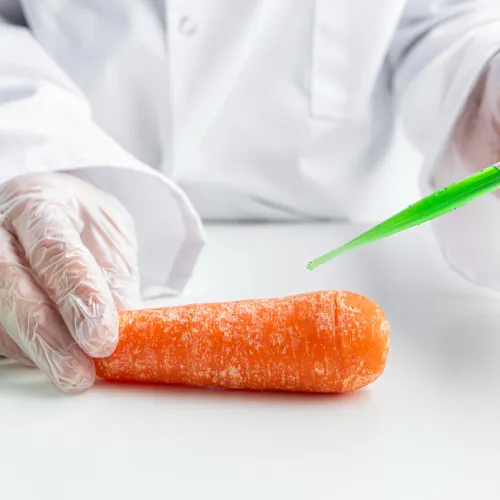
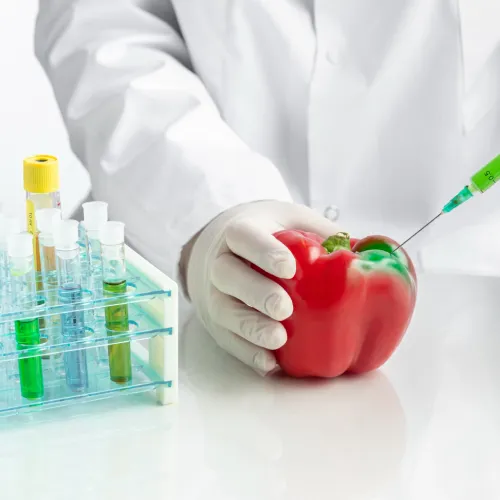
Can you determine material safety by smell?
Harmful chemical migration is often invisible and odorless. Substances such as plasticizers, residual monomers, or printing ink components cannot be detected by smell or sight. Only laboratory migration testing using food simulants can confirm whether packaging materials are safe for food contact.
Is Food Contact Material Testing Too Expensive for Small Brands?
The “testing is too pricey” excuse is the most expensive mistake you can make. Compare the cost of a lab report to the cost of a total product recall. Or a lawsuit. Or losing a major retail contract because you couldn’t provide safety data.
Testing is an investment in brand protection and compliance. It builds trust with your customers and gives you a competitive edge. In a world where consumers increasingly prefer safe and compliant products, having testing support from Testhub Laboratories is a massive selling point.
Final Thoughts
Safety isn’t a “nice to have” anymore. It’s the baseline. By ignoring these myths about food contact material testing, you’re leaving your brand’s future to chance. The regulatory standards in the UAE are stringent, and global expectations are only getting tighter. Are you 100% sure your packaging is as safe as you say it is?
FAQ
It usually takes about 7 to 10 working days. We have to simulate real-world use, like soaking the material in food simulants at specific temperatures. Accurate testing requires proper simulation time if you want accurate data.
Since we can’t put actual lasagna in a lab machine, we use liquids that behave like food. We use simulants that represent fatty foods, acidic foods, or watery foods. This tells us how the package will react to almost anything you put in it.
Yes. Ink migration is a significant concern. Chemicals from printed layers can migrate through packaging layers and hit the food. If your ink isn’t food-safe, your whole package isn’t food-safe.
There is no need for concern. A failure is just a roadmap. It tells us exactly what’s leaking. Usually, it means you need to tweak your production temperature or find a different adhesive. We help you figure out the “why” so you can fix it.